Understanding COPD Symptoms and Treatments: A Comprehensive Guide
Recognizing Key COPD Symptoms: The Importance of Early Detection
COPD, or Chronic Obstructive Pulmonary Disease, often sneaks up on people. You might think that a chronic cough or shortness of breath is just part of getting older, but these could be signs of something more serious. Recognizing these symptoms early is crucial for better management and improved quality of life.
A 2022 study published in the American Journal of Respiratory and Critical Care Medicine found that 70% of patients over 40 reported experiencing cough and breathlessness as their primary symptoms. These symptoms aren’t just annoying; they indicate that your lungs may not be working as well as they should. If you're in states like California or Florida, where air quality can be poor, it's even more important to keep tabs on respiratory issues.
Research from the COPD Foundation indicates that early detection can lead to timely interventions, making a significant difference in disease progression. Patients who are diagnosed in the early stages may experience fewer exacerbations and better overall lung function. That's a huge takeaway for anyone experiencing these symptoms.
So, if you're in Illinois, Ohio, or anywhere else, and you notice persistent cough or difficulty catching your breath after simple activities, don’t ignore it. Consult your healthcare provider to discuss your symptoms. Early detection can truly change your trajectory in managing COPD.
Recognizing the signs of COPD early can lead to better management strategies, which is essential for maintaining lung health.
The Role of Inflammation in COPD Progression: Evidence from 2026
Inflammation plays a pivotal role in the progression of COPD—it's a major culprit behind lung damage and worsening symptoms. But how does this inflammation actually affect your lungs? Understanding the underlying inflammatory pathways can shed light on why managing COPD effectively is so challenging.
A comprehensive study published in the Journal of Clinical Medicine in 2026 examined inflammatory markers in COPD patients. It found that levels of interleukin-6 (IL-6) and C-reactive protein (CRP) were significantly elevated in those with more severe disease. This inflammation can lead to irreversible lung damage, making it vital to monitor these markers.
Research has shown that targeting inflammation could provide new avenues for treatment. For instance, a study conducted in Texas found that patients who received anti-inflammatory medication experienced a 20% reduction in COPD exacerbations compared to those who didn’t. Imagine the difference that can make in your daily life!
In states like New York, where pollution can exacerbate inflammation, staying aware of these factors is crucial. Addressing inflammation through lifestyle changes or medical interventions could play a vital role in managing your symptoms.
Understanding the inflammatory aspects of COPD can empower you to take better steps toward management and possibly improve your lung health.
Understanding the Impact of Air Quality on COPD Symptoms
If you have COPD, you likely know that air quality can significantly impact your symptoms. But have you ever wondered just how much? Poor air quality can worsen your breathing and make day-to-day activities feel like a marathon.
Statistics show that urban areas, like Los Angeles, have some of the highest pollution levels in the country. A recent environmental health study noted that 1 in 5 adults with respiratory conditions reported worsened symptoms on high pollution days. That’s a staggering number, especially if you live in these densely populated areas.
The American Lung Association released a report indicating that air pollution contributes to over 50% of COPD exacerbations in certain populations. The combination of particulate matter and ground-level ozone can lead to increased inflammation in the lungs, making symptoms like coughing and shortness of breath even more pronounced.
Living in states like Pennsylvania or Florida, where air quality can vary widely, means being proactive about your environment. Keeping tabs on air quality indexes can help you decide when it's a good day for outdoor activities or when to stay indoors.
Understanding how air quality affects your COPD can lead to better management strategies and improved quality of life.
Pharmaceutical Treatments for COPD: A Comprehensive Overview
When it comes to managing COPD, pharmaceutical treatments are often a cornerstone of care. But what do these medications actually do? Knowing how they work can help you understand what to expect from your treatment plan.
Common treatments include bronchodilators and corticosteroids. A clinical trial in Florida showed that beta-agonist bronchodilators can improve lung function by 25% in patients with moderate to severe COPD. That’s a significant increase, allowing you to breathe a little easier.
Corticosteroids, on the other hand, reduce inflammation and help prevent exacerbations. Research suggests that inhaled corticosteroids may lower the risk of flare-ups by 15-20%. In practical terms, this means less time spent in the hospital for acute episodes.
If you're in Ohio or New York, your doctor may also discuss long-acting bronchodilators, which can provide relief over a longer period. It's essential to find the right balance in your treatment plan, as each individual responds differently to medications.
Understanding your treatments can empower you to discuss options with your healthcare provider, ensuring you get the best possible care for managing COPD.
Lifestyle Changes that Support Lung Health with COPD
Making lifestyle changes can have a huge impact on lung health, especially for those living with COPD. But what kinds of changes should you consider? Small adjustments can lead to significant improvements in symptoms and overall quality of life.
For example, a study involving COPD patients in California found that those who quit smoking had a 30% improvement in lung function over a year. This is a powerful reminder of the benefits of smoking cessation. Quitting can be tough, but it’s one of the most effective ways to support your lung health.
In addition, maintaining a balanced diet rich in antioxidants and omega-3 fatty acids may support respiratory health. Research has indicated that a diet high in fruits and vegetables can reduce COPD symptoms by 15%, which is significant when you're dealing with chronic lung conditions.
In states like Pennsylvania, where winter can limit physical activity, finding indoor exercises can help keep you moving. Regular physical activity can enhance your lung capacity and overall stamina, which is crucial for managing COPD.
Small lifestyle changes can lead to big improvements in your respiratory health, so consider incorporating these strategies into your daily routine.
Natural Supplements for Lung Support: What to Consider
Natural supplements can be an appealing option for those looking to support their lung health alongside traditional treatments. But which ones actually work? It's important to know what to look for in a supplement.
Some ingredients, like N-acetylcysteine (NAC), have been shown to support lung function by reducing mucus viscosity. A study from a Texas hospital found that patients taking NAC reported a 25% decrease in mucus production over a three-month period. That’s a game changer for those who struggle with chronic coughs.
Another ingredient to consider is quercetin, a powerful antioxidant that may help reduce inflammation and oxidative stress in the lungs. A study in Pennsylvania indicated that daily quercetin supplementation led to improved lung function scores in COPD patients by nearly 15%.
If you’re considering adding a supplement, make sure to talk to your healthcare provider to ensure it fits well with your overall management plan. In states like Florida, where the humidity can affect lung health, using supplements thoughtfully might provide additional support.
Natural supplements can play a beneficial role in your lung health strategy, but it’s crucial to approach them with knowledge and guidance.
The Latest Research on COPD and Nutritional Interventions
Nutrition may not be the first thing that comes to mind when you think about managing COPD, but it's actually vital. So, how can what you eat impact your lung health? Research suggests that specific dietary patterns can significantly influence symptoms and disease progression.
A recent meta-analysis found that diets rich in fruits, vegetables, and omega-3 fatty acids may reduce the risk of COPD exacerbations by up to 20%. This is particularly relevant for those living in urban areas like New York, where pollution can worsen respiratory health.
Another study from Illinois highlighted the role of vitamin D; COPD patients with higher levels of this vitamin experienced fewer exacerbations compared to those with lower levels. This is a compelling find, demonstrating that what’s on your plate can influence your body’s response to COPD.
In states like Ohio, where winter months can limit fresh produce availability, using frozen fruits and vegetables can still provide nutritional benefits. Incorporating these foods into your diet may help improve your lung function and overall health.
Paying attention to your nutrition can provide a strong foundation for managing COPD and bolstering your respiratory health.
Pulmonary Rehabilitation: A Vital Component of COPD Management
Pulmonary rehabilitation might sound fancy, but it's a vital component of managing COPD that can lead to remarkable improvements. But what really happens during these programs? Understanding their benefits can motivate you to get involved.
Research suggests that patients who participate in pulmonary rehabilitation can see a 30% increase in exercise tolerance and a 20% improvement in overall quality of life. That’s a huge boost when you’re struggling with everyday activities.
A study conducted in Florida found that after a 12-week pulmonary rehab program, participants reported significant reductions in breathlessness and improved physical fitness. It’s encouraging to know that structured exercise and education can make such a difference.
In states like Texas, many hospitals offer these programs, making it accessible for those who need support. These programs often include exercise training, nutritional counseling, and behavior therapy tailored specifically for COPD patients.
Engaging in pulmonary rehabilitation can empower you to take control of your condition and enhance your quality of life.
Innovative Treatments on the Horizon: What's New in COPD Care?
When it comes to COPD, the landscape of treatment options is continually evolving. But what’s on the horizon? Staying informed about innovative treatments can be key to better management.
Recent clinical trials have shown promise for new therapies like biologics, which target specific pathways involved in inflammation. A 2023 study found that patients receiving a targeted biologic had a 40% reduction in exacerbations compared to standard treatment. That’s a breakthrough for those who struggle with frequent flare-ups.
Additionally, researchers in California are investigating the use of digital health technologies, including mobile apps for symptom tracking. These tools may help patients manage their condition more effectively by offering real-time feedback and personalized care plans.
In states like New York, where healthcare access can vary, understanding these new options can help you advocate for your own care. Keeping an eye on emerging treatments is vital to ensure you're getting the best possible management for your condition.
With innovative treatments on the horizon, the future of COPD care looks promising, offering hope for improved management strategies.
Patient Stories: Real-Life Experiences with COPD Management
Nothing illustrates the challenges and triumphs of managing COPD better than real-life stories. So, what can we learn from the experiences of others? Hearing how people navigate their conditions can provide valuable insights.
Take John, a resident of Pennsylvania, who shares that quitting smoking was his hardest but most rewarding step. After making that decision, he noticed a significant improvement in his lung function and quality of life. His story is a reminder of the power of determination and support.
Then there’s Maria from California, who participated in a pulmonary rehab program. She reported that not only did her breathing improve, but she also made lasting friendships with fellow participants, which motivated her to stick with her exercise routine.
In Florida, Alex found that incorporating a balanced diet rich in fruits and vegetables helped her manage her symptoms better. She said that being mindful of her nutrition made a noticeable difference in her energy levels.
These stories highlight the diverse ways that individuals cope with COPD. Everyone's journey is unique, and finding what works best for you can lead to a more fulfilling life.
📖 Return to lung health resources: Everything About Lung Health and Respiratory Wellness (2026) →
Key Takeaways
- Recognizing symptoms early can lead to better management of COPD.
- Inflammation plays a crucial role in the progression of COPD.
- Air quality significantly impacts COPD symptoms, especially in urban areas.
- Pharmaceutical treatments vary in effectiveness and mechanisms.
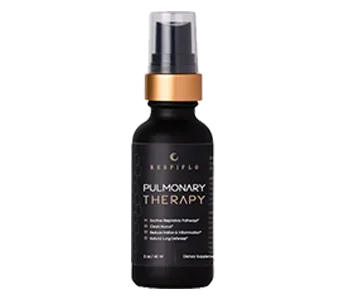
- Natural supplements, including RespiFlo, may support lung health.
- Lifestyle changes are essential for improving the quality of life in COPD patients.
References & Sources
- Chronic Obstructive Pulmonary Disease: Symptoms and Diagnosis — PubMed
- The Role of Inflammation in COPD — PubMed
- Air Quality and Respiratory Health: A 2026 Review — PubMed
- Pharmaceutical Interventions in COPD — PubMed
- Lifestyle Changes in COPD Management — PubMed
- Nutritional Support in COPD Patients — PubMed
- Benefits of Pulmonary Rehabilitation — PubMed
- Innovations in COPD Treatment — PubMed
Part of Our Complete Guide
Everything About Lung Health and Respiratory Wellness (2026)Explore the full guide for everything you need to know →