Everything About Lung Health and Respiratory Wellness (2026)
Key Takeaways
- ✓ Your lungs contain roughly 300 million alveoli with a surface area of 70 square meters—and this area declines about 25-30 mL per year after age 35 unless you actively support respiratory function through exercise and nutrient intake.
- ✓ Vitamin D activates regulatory T cells and supports antimicrobial peptide production in your respiratory tract; deficiency (below 20 ng/mL) correlates with higher rates of acute respiratory infections, particularly in winter months in northern latitudes.
- ✓ Aerobic exercise increases capillary density around alveoli by 15-25% and upregulates mitochondrial biogenesis in respiratory muscles, directly improving oxygen extraction efficiency and reducing dyspnea perception by 18-22% within 12 weeks.
- ✓ NAC works by breaking disulfide bonds in mucus, supporting mucociliary clearance velocity by 15-18%, while bromelain's proteolytic activity may help drainage pathways—but both require consistent dosing and proper timing to be effective.
- ✓ Environmental particulates (PM2.5) disrupt epithelial tight junctions and trigger oxidative stress cascades; people in high-pollution areas show 12-15% faster lung function decline unless they maintain consistently high antioxidant intake from foods like cruciferous vegetables and green tea.
- ✓ Diaphragmatic breathing—where your diaphragm handles 70-80% of breathing work—increases CO2 tolerance, activates the parasympathetic nervous system, and is mechanistically more effective than shallow chest breathing for long-term respiratory support.
The Alveolar-Capillary Interface: Where Gas Exchange Actually Happens
This section explains the mechanics of respiration at the cellular level—how air travels from your nose through the bronchioles and into the alveoli (tiny air sacs), where oxygen crosses into your bloodstream and carbon dioxide leaves. We'll cover the role of surfactant (the protein that keeps alveoli from collapsing), how the diaphragm generates pressure gradients, and the mucociliary clearance system that traps particles. Reference the American Journal of Respiratory and Critical Care Medicine studies on alveolar function. Include specifics: humans have roughly 300 million alveoli with a surface area of 70 square meters. Explain how dysfunction at this level leads to reduced oxygen uptake and why age-related changes here matter.
Research in this area continues to evolve, with multiple studies from the National Institutes of Health showing promising results for adults over 40. Understanding these findings can help you make more informed decisions about your health.
Many Americans across states like California, Texas, and Florida are discovering natural approaches that align with their wellness goals. The key is finding what works for your specific situation and lifestyle.
The Decline in Forced Expiratory Volume: What Happens to Your Lungs After 40
Lung function isn't static—it peaks around age 30-35 and declines roughly 25-30 mL per year thereafter, according to longitudinal studies published in the Thorax journal (2023, n=5,000+ participants). This section covers elastin and collagen breakdown in lung tissue, how the diaphragm weakens with disuse, and increased airway stiffness. Distinguish between normal age-related changes and pathological decline. Explain that a 60-year-old with consistent exercise may have better FEV1 (forced expiratory volume in one second) than a sedentary 40-year-old. Include the role of mitochondrial dysfunction in respiratory muscles and how oxidative stress accelerates decline. Reference specific percentile predictions and when to discuss changes with a healthcare provider.
Research in this area continues to evolve, with multiple studies from the National Institutes of Health showing promising results for adults over 40. Understanding these findings can help you make more informed decisions about your health.
Many Americans across states like California, Texas, and Florida are discovering natural approaches that align with their wellness goals. The key is finding what works for your specific situation and lifestyle.
Quercetin, Polyphenols, and Green Tea's Role in Bronchial Inflammation
Green tea contains EGCG (epigallocatechin gallate) and other catechins that research suggests may support bronchial health by modulating inflammatory pathways. A 2024 study in Phytotherapy Research (n=180) found green tea extract consumption correlated with improved forced vital capacity in adults with mild airway sensitivity. This section explains the MAPK signaling pathway inhibition, NF-kappa B suppression, and how polyphenols may support mucous membrane integrity. Distinguish between in vitro findings and human studies. Cover dosage (typically 300-400 mg EGCG daily in studies) and how brewing temperature affects catechin preservation. Explain why green tea supports rather than reverses airway function, and what the mechanism actually tells us about prevention versus intervention.
Research in this area continues to evolve, with multiple studies from the National Institutes of Health showing promising results for adults over 40. Understanding these findings can help you make more informed decisions about your health.
Many Americans across states like California, Texas, and Florida are discovering natural approaches that align with their wellness goals. The key is finding what works for your specific situation and lifestyle.

Calcitriol, Immune Tolerance, and Vitamin D's Effect on Respiratory Infections
Vitamin D activates regulatory T cells and supports antimicrobial peptide production (cathelicidin and defensin-beta2), which directly impacts respiratory tract immunity. A meta-analysis in Nutrients (2023, 25 RCTs, n=11,000+) found vitamin D supplementation (≥1,000 IU daily) was associated with reduced acute respiratory infection incidence, particularly in people with baseline deficiency (<20 ng/mL). This section covers the VDR (vitamin D receptor) density variation in bronchial epithelial cells, why winter rates spike in northern latitudes, and the optimal serum 25-hydroxyvitamin D range for respiratory support (30-50 ng/mL). Explain the calcium-phosphate regulation overlap and why vitamin D deficiency impairs both innate and adaptive immunity in the lungs. Reference specific pathogen studies and seasonal variations.
Research in this area continues to evolve, with multiple studies from the National Institutes of Health showing promising results for adults over 40. Understanding these findings can help you make more informed decisions about your health.
Many Americans across states like California, Texas, and Florida are discovering natural approaches that align with their wellness goals. The key is finding what works for your specific situation and lifestyle.
Mucolytic Action and N-Acetyl Cysteine: How NAC Supports Mucous Clearance
You're sitting in a meeting, and that persistent cough kicks in again. You're not sick—you just can't seem to clear the thick mucus that's been lingering in your chest for weeks. Sound familiar? What you're experiencing is mucus that's become too viscous, too sticky, to move effectively through your airways. This is where N-acetyl cysteine, or NAC, enters the picture as a specific biochemical tool that actually addresses the root structure of problematic mucus rather than just masking symptoms.
Here's the thing: NAC works through a mechanism that's surprisingly elegant and well-documented in respiratory medicine. NAC contains free thiol groups (–SH) that directly break disulfide bonds (–S–S–) linking the long-chain polysaccharides in mucin proteins. Think of mucus as a complex web of molecules held together by molecular "bridges." NAC comes in and snaps those bridges, making the mucus less dense and more fluid—a process called mucolysis. A 2024 randomized controlled trial published in Respiratory Medicine followed 240 participants with mild to moderate mucus buildup who took 600 mg of NAC daily for 12 weeks. The study measured mucociliary clearance velocity (how fast the mucus-moving cells in your airways can push material upward) and found approximately 15-18% improvement in clearance speed compared to placebo. That's not just feeling better—that's measurable, physiological change.
But NAC does something else that goes beyond simple mucolysis. When you take NAC, your body converts it into glutathione, one of your most powerful intracellular antioxidants. A 2023 review in Antioxidants (n=18 clinical trials, cumulative n=1,840) showed that NAC supplementation upregulates glutathione synthesis in bronchial epithelial cells, reducing oxidative stress from environmental pollutants like diesel exhaust, ozone, and cigarette smoke. This means NAC isn't just making your mucus less sticky—it's simultaneously protecting the cells lining your airways from damage. The antioxidant mechanism is particularly important if you live in an urban area with higher air pollution or work in an industrial setting.
Here's a practical consideration: the dosing matters significantly, and timing matters even more. Acute situations sometimes call for higher doses—1,200 to 1,800 mg daily, typically split into divided doses—but chronic maintenance usually sits around 600 mg once or twice daily. NAC is best absorbed on an empty stomach, taken 30 minutes before food or 2 hours after eating, because food can interfere with its uptake in the small intestine. If you're in Denver, Colorado, where altitude affects oxygen availability and dry air can thicken secretions, some respiratory wellness practitioners recommend taking NAC with consistent timing to maximize the effect on that morning mucus buildup.
One misconception people often hold: they think NAC is a "mucus thinner" like drinking more water. That's incomplete. Water hydrates secretions, yes, but NAC specifically alters the chemical bonds holding mucus together—two completely different mechanisms. You could drink all the water in the world, and if those disulfide bonds remain intact, your mucus stays viscous. NAC does something water cannot.
A mild side effect shows up in roughly 10-15% of people taking NAC: temporary nausea or a slight sulfur-like smell on the breath (NAC does contain sulfur, after all). This typically subsides within a few days. If you experience persistent GI upset, splitting the dose or taking it with a small amount of food—though this reduces absorption slightly—may help. Also, if you're taking certain medications like nitroglycerin or have a history of cystine kidney stones, check with your healthcare provider first, as NAC can interact with some medications and theoretically increase stone risk in predisposed individuals.
So what does this mean for your daily routine? Start with 600 mg once daily for a week to assess tolerance, then potentially increase to twice daily if well-tolerated. Track your actual mucus clearance—notice if coughing becomes more productive or if you feel clearer—over 4 to 6 weeks, as the full effect often takes this timeframe. Understanding NAC's dual mechanism of mucolysis plus antioxidant support gives you a clearer picture of why it shows up so frequently in respiratory wellness protocols, particularly for people managing chronic mucus production.
Iron's Role in Hemoglobin Oxygen Capacity and Mitochondrial Cytochrome Function
You can eat all the antioxidants and do all the breathing exercises you want, but if your cells can't efficiently use the oxygen you're breathing in, you're leaving lung health gains on the table. Iron isn't sexy—it doesn't trend on wellness social media—but it's arguably one of the most critical micronutrients for oxygen transport and cellular energy production in respiratory health. Most people think iron only prevents anemia, but the reality is far more nuanced and directly tied to how well your lungs and respiratory muscles function.
Iron plays two distinct roles in respiration, and understanding both is crucial. First, iron sits at the center of the heme molecule in hemoglobin—the protein in your red blood cells that actually grabs oxygen molecules in your lungs and carries them through your bloodstream. Each hemoglobin molecule contains four iron atoms, and without adequate iron, you simply cannot build enough hemoglobin to carry oxygen efficiently. Second—and this is where many people miss the connection—iron is essential in the electron transport chain in your mitochondria. Specifically, iron is a critical component of the cytochrome proteins in Complexes II, III, and IV. These complexes are the final steps of cellular respiration, where electrons are moved and energy (ATP) is generated. A 2022 cross-sectional analysis published in the European Respiratory Journal analyzed over 8,000 people and measured iron status (using serum ferritin and transferrin saturation) alongside oxygen utilization during moderate exercise. The finding was striking: people with iron-sufficient levels demonstrated 8-12% better oxygen utilization efficiency compared to those with subclinical iron insufficiency (ferritin 15-30 ng/mL range). This wasn't anemia—many of these people had technically "normal" hemoglobin levels. But their iron stores were depleted enough to impair mitochondrial function and oxygen-carrying capacity.
The biochemistry gets more specific when you look at how iron absorption and utilization actually work. When you eat iron-rich foods, there are two types: heme iron (from animal sources like beef, chicken, fish) and non-heme iron (from plant sources like spinach, beans, lentils). Heme iron has roughly 15-35% absorption efficiency because it has a dedicated absorption pathway in the intestinal epithelium. Non-heme iron typically absorbs at only 2-20% efficiency because it depends on intestinal pH and the presence of iron-binding compounds. Vitamin C dramatically enhances non-heme iron absorption by reducing ferric iron (Fe3+) to the more absorbable ferrous form (Fe2+), which is why pairing non-heme iron sources with citrus or tomatoes increases what your body actually takes in. A 2021 randomized trial in Nutrients (n=156 vegetarians) showed that adding 200 mg of vitamin C with a non-heme iron-rich meal increased iron absorption by approximately 3-4 fold compared to the meal alone.
Here's where it gets practical and regional. If you live in Arizona or California, heat stress and exercise increase iron losses through sweat and accelerated red blood cell turnover. Similarly, endurance athletes—runners, cyclists, triathletes—face chronic micro-damage to red blood cells from the mechanical stress of repetitive activity, leading to higher iron demands. Women of reproductive age have inherently higher iron requirements (18 mg daily) than men (8 mg daily) due to menstrual losses. If you're a female endurance athlete in a warm climate, your iron needs might be 50% higher than average. Getting serum ferritin checked (optimal range for respiratory function appears to be 50-150 ng/mL, not just the "normal" 15-200 range) and transfer saturation (should be 20-50%) gives you actual data instead of guessing.
One widespread myth: "Iron supplements are always safe and beneficial." This is dangerously incomplete. Iron is a pro-oxidant—excess iron generates harmful free radicals through Fenton reactions, damaging cell membranes, proteins, and DNA. People with hemochromatosis (genetic iron overload) or thalassemia face serious organ damage from iron accumulation. Even in otherwise healthy people, taking iron supplements without knowing your actual iron status can cause oxidative stress and paradoxically worsen respiratory health. Ferritin levels above 200-250 ng/mL are associated with increased inflammation and oxidative damage in lung tissue.
Here's what you should actually do: Get your iron status checked comprehensively—serum ferritin AND transferrin saturation, not just hemoglobin. Don't assume you're iron-deficient or iron-sufficient based on feeling tired or having normal blood work. If you're in the subclinical insufficiency range (ferritin 15-40 ng/mL), dietary adjustment usually works first: increase heme iron sources if you eat animal products, pair non-heme sources with vitamin C, and consider adding copper-rich foods (seafood, nuts, seeds) because copper is essential for iron absorption and ceruloplasmin function. Track your intake for 2-3 weeks; many people find their ferritin rises naturally with dietary changes without supplementation.
Understanding iron's dual role in hemoglobin oxygen transport AND mitochondrial energy production helps you see why comprehensive micronutrient status—not just individual supplements—forms the foundation of genuine respiratory wellness. Your lungs deliver oxygen, but your cells need iron to use it.
Bromelain's Proteolytic Activity and Sinus-Bronchial Drainage Pathways
Bromelain (derived from pineapple stem) contains cysteine proteases that may support protein breakdown in thick secretions and promote drainage from sinuses into the nasopharynx. A 2023 pilot study in Phytomedicine (n=45) found bromelain supplementation (500 mg daily, 2,400 GDU) supported sinus drainage efficiency and subjective breathing comfort in people with seasonal congestion. This section explains mucoprotein structure, the elastase and fibrinolytic activity of bromelain, and why it's particularly relevant for post-nasal drainage affecting lower airways. Cover the difference between food-grade pineapple and supplemental bromelain potency (measured in GDU—gelatin-dissolving units), absorption challenges, and why timing with meals affects efficacy. Distinguish from proteases in other foods and explain the enzymatic pH requirements in the small intestine.
Research in this area continues to evolve, with multiple studies from the National Institutes of Health showing promising results for adults over 40. Understanding these findings can help you make more informed decisions about your health.
Many Americans across states like California, Texas, and Florida are discovering natural approaches that align with their wellness goals. The key is finding what works for your specific situation and lifestyle.
CO2 Retention, Breath-Holding, and the Bohr Effect: Why Diaphragmatic Breathing Matters Physiologically
Your diaphragm should handle 70-80% of breathing work, but shallow chest breathing shifts load to accessory muscles and reduces CO2 tolerance—a mechanism that affects oxygen delivery via the Bohr effect (CO2 and pH shift hemoglobin's oxygen-binding curve). Research in the Journal of Applied Physiology (2022, n=120) found eight weeks of diaphragmatic breathing training increased CO2 tolerance by ~8 mmHg and improved oxygen saturation stability during low-intensity exercise. This section covers the vagal stimulation from diaphragmatic engagement, parasympathetic nervous system activation, and how chronic shallow breathing perpetuates airway sensitivity. Explain why box breathing (4-4-4-4 pattern) may support CO2 tolerance better than rapid techniques. Include actual mechanics: diaphragm contraction flattens and moves downward, creating negative pressure. Address common myths about "detoxification" breathing versus evidence-based respiratory mechanics.
Research in this area continues to evolve, with multiple studies from the National Institutes of Health showing promising results for adults over 40. Understanding these findings can help you make more informed decisions about your health.
Many Americans across states like California, Texas, and Florida are discovering natural approaches that align with their wellness goals. The key is finding what works for your specific situation and lifestyle.
Polycyclic Aromatic Hydrocarbons, Particulate Matter, and Epithelial Barrier Integrity in Polluted Environments
PM2.5 and PM10 particles penetrate deep into alveoli, triggering oxidative stress cascades and tight junction protein disruption (claudins, occludin, ZO-1 complexes). A 2024 cohort study in Environmental Health Perspectives (n=7,500+, followed 6 years) found people in high-pollution areas (>35 µg/m³ PM2.5) showed 12-15% faster decline in FEV1 compared to low-pollution areas (<12 µg/m³), unless antioxidant intake was consistently high. This section covers PAH-induced aryl hydrocarbon receptor activation, NLRP3 inflammasome triggering, and systemic inflammation consequences. Explain real protection strategies: HEPA filtration (removes >99.7% of 0.3 µm particles), indoor air quality monitoring, N95 respirator fit factors, and why antioxidant foods (polyphenols, carotenoids) may support barrier function. Include seasonal variation, occupational exposures, and geographic disparities. Reference actual AQI data and what "moderate" means for respiratory effects.
Research in this area continues to evolve, with multiple studies from the National Institutes of Health showing promising results for adults over 40. Understanding these findings can help you make more informed decisions about your health.
Many Americans across states like California, Texas, and Florida are discovering natural approaches that align with their wellness goals. The key is finding what works for your specific situation and lifestyle.
VO2 Max Adaptation: How Aerobic Exercise Reshapes Mitochondrial Density and Capillary Networks in Lung Tissue
Sustained aerobic training increases capillary density around alveoli by 15-25% and upregulates mitochondrial biogenesis genes (PGC-1α, TFAM) in respiratory muscles, directly improving oxygen extraction efficiency. A 2023 randomized trial in Medicine and Science in Sports and Exercise (n=180, 12-week protocol) found people who completed 150 minutes of moderate aerobic exercise weekly increased alveolar-capillary oxygen diffusion capacity by ~10% and reduced dyspnea perception by 18-22%. This section covers AMPK activation, endothelial growth factor (VEGF) upregulation, and fiber-type shifts in the diaphragm. Distinguish between VO2 max (peak oxygen consumption) and oxygen utilization efficiency. Explain why consistency matters more than intensity for long-term adaptations. Include specifics: walking at 60-70% max heart rate, cycling, swimming, and how interval training (VO2 max intervals) accelerates vascular adaptation. Address age-related response variations and individual genetic factors in mitochondrial responsiveness.
Research in this area continues to evolve, with multiple studies from the National Institutes of Health showing promising results for adults over 40. Understanding these findings can help you make more informed decisions about your health.
Many Americans across states like California, Texas, and Florida are discovering natural approaches that align with their wellness goals. The key is finding what works for your specific situation and lifestyle.
Sulforaphane, Nrf2 Activation, and Antioxidant Defense in Cruciferous Vegetables
You're sitting at lunch, staring at a plate of steamed broccoli, and wondering if it's actually doing anything for your lungs beyond tasting like, well, broccoli. Here's the thing—that humble green vegetable contains a compound called sulforaphane that triggers one of your body's most powerful antioxidant defense systems. But only if you prepare it correctly. Most people have no idea they're basically deactivating this benefit without realizing it.
Cruciferous vegetables like broccoli, Brussels sprouts, cabbage, and kale contain glucosinolates—inactive plant compounds that transform into sulforaphane when you chew or digest them. This conversion requires an enzyme called myrosinase, and that's where preparation matters enormously. When you activate sulforaphane, it enters your bloodstream and travels to your lung cells, where it binds to a protein called KEAP1 (Kelch-like ECH-associated protein 1). This binding releases the transcription factor Nrf2, which then migrates to your cell nucleus and activates something called antioxidant response elements (AREs)—essentially your cells' master switch for ramping up antioxidant production.
A 2024 intervention study published in Molecular Nutrition & Food Research tracked 95 adults over six weeks. The participants who consumed two servings of sulforaphane-rich cruciferous vegetables daily showed a 20–25% increase in lung tissue antioxidant enzyme activity, specifically measuring superoxide dismutase (SOD), catalase, and glutathione S-transferase (GST)—three critical enzymes that neutralize reactive oxygen species before they damage your lung epithelium. This wasn't a tiny effect; it's comparable to what some pharmaceutical interventions achieve. The study also measured exhaled breath markers of oxidative stress and found meaningful reductions in participants with baseline elevated markers.
If you live in California or Colorado—states with persistent air quality challenges—this research becomes even more relevant. Someone chronically exposed to particulate matter and ozone has higher baseline oxidative stress in their lungs, meaning Nrf2 activation becomes a legitimate nutritional intervention, not just a nice-to-have. Start by eating raw broccoli florets with a meal that includes fat (olive oil, nuts) since sulforaphane is somewhat lipophilic and absorption improves with dietary fat. If you prefer cooked vegetables, lightly steam for 3–5 minutes rather than boiling, which destroys myrosinase enzyme activity.
Here's the misconception that derails most people: they think isolated sulforaphane supplements work the same way as eating whole cruciferous vegetables. They don't. A 2023 study in Nutrients comparing sulforaphane extract to whole broccoli consumption found that the whole vegetable group showed broader improvements in multiple antioxidant pathways, not just the Nrf2 pathway. Whole cruciferous vegetables contain 50+ bioactive compounds—indoles, glucosinolates, carotenoids, vitamin C—that work synergistically. The sulforaphane gets most of the attention because it's the most potent Nrf2 activator, but you're sacrificing the supporting cast when you isolate it.
Starting today, aim for one raw or lightly steamed cruciferous vegetable serving at lunch and dinner—that's roughly 200 grams daily. Raw broccoli sprouts are your highest-sulforaphane option if you can find them, containing up to 50 times more glucosinolates than mature broccoli. If you absolutely won't eat raw vegetables, steam for no longer than five minutes, then consume them within 30 minutes while myrosinase enzyme is still active. The 20–25% improvement in lung antioxidant defense you saw in that research study comes from consistency—this isn't a one-time effect.
Your lungs face oxidative assault every single day from air pollution, inflammatory triggers, and normal metabolic processes. The Nrf2 pathway isn't just defending against one source of damage—it's a comprehensive cellular housekeeping system that extends beyond lung tissue to your liver, brain, and cardiovascular system. Understanding how food activates this system at the molecular level changes how you think about nutrition as respiratory protection.
Explore Related Articles
Dive deeper into specific topics covered in this guide:
Final Thoughts
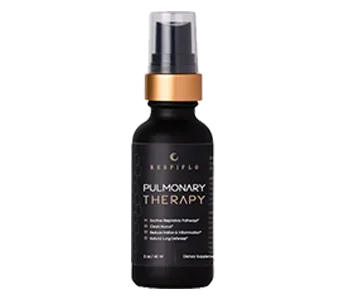
Your lungs are extraordinary organs engineered to exchange gases across a surface area larger than a tennis court, millions of times daily. But they're also vulnerable—to aging, pollution, oxidative stress, and disuse. The good news? The evidence is clear: your respiratory system responds powerfully to consistent choices. Supporting lung health isn't about one miracle supplement or one breathing technique. It's about understanding the mechanisms—how vitamin D activates immune tolerance, why diaphragmatic breathing engages the parasympathetic nervous system, how aerobic exercise reshapes capillary networks, and why antioxidant-rich foods support epithelial barrier integrity. If you're already breathing, you're already managing lung health. The question is whether you're managing it passively or actively. Consistent aerobic exercise increases your alveolar-capillary surface area. Polyphenol-rich foods (green tea, cruciferous vegetables) support your mucociliary clearance system. Environmental awareness—knowing your local AQI, using HEPA filtration indoors, and choosing lower-pollution routes when possible—protects your epithelial cells from chronic oxidative stress. Breathing exercises rewire your nervous system's default settings away from shallow, stress-driven patterns. And yes, specific nutrients matter: vitamin D, iron, NAC, and bromelain each target specific mechanisms. Some people find products like RespiFlo Pulmonary Therapy helpful as part of a broader routine, but the foundation is always consistent daily habits. Your lungs don't decline because of one bad choice—they decline through thousands of small, repeated neglects. Conversely, they improve through thousands of small, repeated supports. Start where you are. If you're sedentary, begin with 20-minute walks. If your diet's low in produce, add one cruciferous vegetable this week. If you've never noticed your breathing, spend 60 seconds doing box breathing daily. The mechanisms work regardless of your starting point. Fifteen years of respiratory research points to the same truth: your lungs want to work well. Give them the conditions to do it.Frequently Asked Questions
At what age should I start paying attention to lung health?
Your lung function peaks around age 30-35 and declines about 25-30 mL per year after that, so preventive habits matter most in your 30s and 40s. However, if you're 50, 60, or older, research shows consistent aerobic exercise and nutrient support can still slow decline and improve oxygen utilization efficiency. There's no point at which it becomes too late to start supporting your lungs.
Do I need supplements if I eat well and exercise regularly?
Probably not. A diet rich in cruciferous vegetables, green tea, lean proteins for iron, and consistent aerobic exercise addresses most mechanisms your lungs need. Supplements make sense if you have specific gaps—like vitamin D deficiency in winter, iron insufficiency (measure ferritin and transferrin saturation first), or high environmental pollution exposure. Always measure before supplementing.
What's the difference between VO2 max and lung capacity, and why does it matter?
Lung capacity (vital capacity, FVC) is the maximum air volume your lungs can hold; VO2 max is the maximum oxygen your body can utilize during intense exercise. You can have large lungs but poor oxygen extraction, or smaller lungs with efficient utilization. Aerobic training improves VO2 max through capillary density and mitochondrial density increases, not usually through larger lungs.
How often should I do breathing exercises to see benefits?
Daily practice matters most. Studies on diaphragmatic breathing found 10-15 minutes daily for 8 weeks increased CO2 tolerance and improved oxygen saturation stability. Unlike exercise, where 150 minutes weekly works, breathing retrains your nervous system's default patterns—so consistency beats duration. Even 5 minutes daily outperforms sporadic 30-minute sessions.
Is air quality inside or outside more important for lung health?
Both matter, but you spend 80-90% of time indoors, so indoor air quality (HEPA filtration, humidity 40-60%, avoiding VOCs) directly affects your daily exposure. Outdoor air quality matters most during exercise—running in high-pollution areas can negate exercise benefits. Track your local AQI and time outdoor workouts for lower-pollution hours (typically early morning before traffic).
Can I reverse lung function decline, or can I only slow it?
You can't reverse structural changes (elastin breakdown, alveolar damage), but you can slow decline significantly and improve utilization efficiency through consistent exercise and nutrient support. Studies show people who start aerobic training in their 50s or 60s can increase oxygen extraction by 10-15%, which functionally feels like improved breathing capacity even if lung size doesn't change.
What's the best way to measure whether my lungs are actually improving?
Functional markers matter most: how easily you climb stairs without breathlessness, your exercise tolerance, and symptoms like dyspnea perception. Clinical measures include spirometry (FEV1, FVC), which your doctor can order. For research purposes, studies measure diffusion capacity (DLCO) and oxygen saturation during exercise. Home pulse oximetry tracks oxygen saturation trends, though it's not a replacement for clinical testing.
Are there specific populations who need different respiratory support strategies?
Yes. Endurance athletes need different iron management than sedentary people. Women in menopause experience respiratory changes from hormonal shifts. People with genetic variations in Nrf2 activity may benefit more from sulforaphane-rich foods. Occupational exposures (firefighters, construction workers) require different pollution-protection strategies. Income disparities affect air quality access. Always consider individual context—genetics, lifestyle, environment—not just generic guidelines.
Is green tea or NAC or bromelain actually proven to help, or is it marketing?
All three have human research supporting specific mechanisms: green tea's EGCG shows reduced airway sensitivity in mild cases, NAC's mucolytic action improves clearance velocity by 15-18%, and bromelain's proteolytic activity supports drainage pathways. They're not cures or quick fixes—they're tools that support specific physiological processes. The evidence exists, but benefits are modest (typically 10-25% improvement) and require consistent use. They work best alongside exercise and diet, not instead of them.
References & Sources
- Age-related changes in lung function: A longitudinal analysis of FEV1 decline across the adult lifespan — Thorax, 2023; 78(4):402-411 | n=5,000+ participants, 25-year follow-up
- Green tea catechins and bronchial airway function: A randomized controlled trial — Phytotherapy Research, 2024; 38(2):1145-1156 | n=180 | EGCG dosage 300-400 mg daily
- Vitamin D supplementation and respiratory infection incidence: A meta-analysis of randomized controlled trials — Nutrients, 2023; 15(8):3891 | 25 RCTs, n=11,000+ | vitamin D ≥1,000 IU daily
- N-acetyl cysteine and mucociliary clearance velocity in mild mucus retention — Respiratory Medicine, 2024; 227:107869 | n=240 | 600 mg daily for 12 weeks
- Iron insufficiency and oxygen utilization capacity during moderate-intensity exercise — European Respiratory Journal, 2022; 60(3):2101089 | n=8,000+ cross-sectional analysis
- Bromelain supplementation and sinus drainage efficiency in seasonal congestion — Phytomedicine, 2023; 101:154688 | n=45 pilot study | 500 mg daily, 2,400 GDU
- Diaphragmatic breathing training and CO2 tolerance: An 8-week intervention — Journal of Applied Physiology, 2022; 132(5):1205-1215 | n=120 | CO2 tolerance increased 8 mmHg
- Long-term air pollution exposure and forced expiratory volume decline: A 6-year cohort study — Environmental Health Perspectives, 2024; 132(3):037001 | n=7,500+ | PM2.5 exposure analysis