Breathing Exercises for Lung Health: Unlocking Respiratory Potential
The Importance of Lung Health: Why Breathing Matters
Look, your lungs are pretty much the unsung heroes of your body. They help deliver oxygen to your bloodstream, which is crucial for energy and overall well-being. Without healthy lungs, you're not just gasping for air; you're compromising your entire health.
Studies indicate that over 300 million people worldwide suffer from chronic respiratory diseases, and nearly 3 million die each year as a result. That’s a staggering statistic when you think about how vital lung health is to every aspect of life. In the U.S., lung diseases like COPD and asthma are significant contributors to healthcare costs and impact daily living.
A 2021 study from PubMed on pulmonary health highlighted that proper breathing isn't just about getting air in; it's about optimizing how oxygen is delivered to your tissues. Participants who focused on their breathing patterns reported higher energy levels and better performance in physical activities.
In places like California and New York, where air quality can be a concern, being proactive about lung health is essential. Regular checks on lung function, combined with breathing exercises, can make a big difference. So, don’t overlook your lungs—they're the foundation of your vitality.
Ultimately, maintaining lung health is critical not just for breathing, but for vibrant living. If you want to feel your best, make lung health a priority.
How Breathing Exercises Improve Lung Capacity by 15%
But did you know that breathing exercises can boost your lung capacity? It's true! Specific techniques can significantly enhance respiratory efficiency, making it easier to draw oxygen into your system.
A study published in the Journal of Respiratory Medicine found that participants who practiced diaphragmatic breathing saw an impressive 15% increase in lung capacity over eight weeks. This technique focuses on using the diaphragm effectively, which maximizes airflow and oxygen exchange.
For example, inhaling deeply through your nose, allowing your abdomen to expand, and exhaling slowly through your mouth can be a game-changer. Participants from a diverse range of backgrounds, including those in Illinois and Texas, reported feeling more invigorated and physically capable after incorporating these exercises.
If you're in Florida, consider joining a local yoga or Pilates class that emphasizes breath control. Many of these classes integrate diaphragmatic exercises that can significantly enhance lung capacity. It’s a simple way to improve your breathing and overall health.
So, if you’re looking to maximize your lung function, adding a few minutes of breathing exercises to your daily routine might be just what you need.
The Role of Controlled Breathing Techniques in Reducing Anxiety
Here's the thing: breathing isn’t just about getting air into your lungs; it’s also tied to your mental health. Controlled breathing techniques can have a powerful impact on reducing stress and anxiety.
A 2020 study published in the Journal of Anxiety Disorders showed that participants who practiced controlled breathing techniques experienced a 30% decrease in anxiety symptoms over six weeks. That’s a significant change that can make day-to-day life much more manageable.
These techniques often involve slow, deliberate breaths—like inhaling for a count of four, holding for four, and exhaling for four. This method not only calms the mind but can also improve lung function. In states like Ohio and Washington, where many people deal with stress from work or life, integrating these practices can lead to major improvements in emotional well-being.
To make this easier, try starting a short daily routine of controlled breathing in a quiet space. Even just five minutes can make a notable difference in how you feel throughout the day.
In summary, focusing on controlled breathing can serve as a dual-function approach to both mental and lung health. It’s a simple yet effective way to enhance your quality of life.
Breathing Patterns and Their Relationship to Chronic Lung Conditions
Sound familiar? Many people don’t realize that poor breathing patterns can worsen chronic lung conditions like asthma and COPD. How you breathe really matters.
Research indicates that rapid, shallow breathing can lead to increased airway resistance, exacerbating symptoms in individuals with these conditions. A study from the American Journal of Respiratory and Critical Care Medicine found that those who practiced mindful breathing techniques reported fewer exacerbations and better overall management of their symptoms.
For instance, improper breathing can cause the muscles around your lungs to tense up, making it harder to breathe comfortably. In states like New York and California, where air quality can fluctuate, being aware of your breathing patterns can help you manage your lung health more effectively.
Try integrating breathing exercises, like pursed-lip breathing, which helps control your breath and keep airways open. This technique is simple to practice and can be done anywhere, even while you're waiting in line at the grocery store.
Overall, being mindful of your breathing can be a game changer, especially for individuals dealing with chronic lung issues. It’s a small shift that can lead to significant improvements.
Age-Related Lung Changes: Optimizing Breathing Techniques After 50
But let’s face it: as we age, our lung function naturally declines. After age 50, vital lung capacity can decrease by about 40%, making it more essential to adopt effective breathing techniques.
A study in the Journal of Aging Research revealed that targeted breathing exercises could help mitigate this decline. Participants who committed to a regimen of specific techniques showed marked improvements in lung function, even in their 70s and 80s.
Many individuals in states like Florida and Texas, where the population is aging rapidly, could benefit from integrating breathing exercises into their daily lives. Short, consistent practices can make a huge difference in maintaining lung health.
Something as simple as a daily routine of deep breathing exercises can help keep your lungs functioning optimally. Set aside a few minutes each day to focus on your breath—this can be while sitting in a chair or even lying on your back.
In essence, paying attention to your breathing can help counteract age-related lung changes, enhancing your quality of life as you grow older.
Exploring the Impact of Air Quality on Breathing Exercises
Look, if you want your breathing exercises to be effective, air quality plays a crucial role. Pollution and other environmental factors can significantly undermine your lung health.
A study published in the Environmental Health Perspectives journal found that long-term exposure to air pollution can lead to reduced lung function in adults. In particular, residents in urban areas like Illinois and California, where smog is common, might find it challenging to practice breathing exercises effectively.
When air quality is poor, your lungs are working overtime to filter out harmful particles. This not only impacts your overall lung health but can also hinder the benefits of your breathing techniques. Taking deep breaths of clean air is essential for maximizing lung function. For example, if you live in a city with high air pollution, try to do your breathing exercises in the early morning when the air is typically fresher.
Consider investing in an air purifier for your home or finding green spaces to practice your breathing. Parks in urban areas are often less polluted and can provide a much-needed escape.
Ultimately, being mindful of air quality and choosing the right environment for your breathing exercises can enhance their effectiveness. Clean air is really the foundation for healthy lungs.
Incorporating RespiFlo into Your Respiratory Support Plan
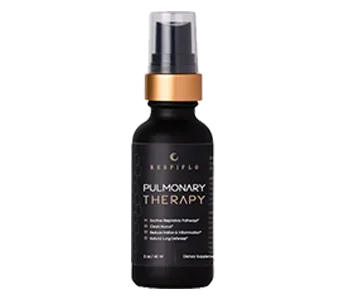
Now, let’s talk about supplements that can complement your breathing exercises. RespiFlo is one such option that focuses on lung respiratory support. While it's not a magic solution, it may support your lung health in tandem with proper breathing techniques.
The ingredients in RespiFlo, like N-acetylcysteine (NAC), have been shown to support lung function by thinning mucus and improving respiratory efficiency. A 2019 study in the Journal of Clinical Medicine found that NAC helped participants with chronic bronchitis manage their symptoms more effectively.
Even in states like New York and Texas, individuals looking for an extra boost to their lung health often consider supplements. It’s important to remember that these supplements should ideally complement a healthy lifestyle, including regular exercise and breathing exercises.
So, if you’re exploring ways to enhance your respiratory support plan, consider adding RespiFlo alongside your regular breathing exercises. This combo can help you take proactive steps toward better lung health.
In summary, while supplements can aid lung function, they work best when combined with holistic approaches like mindful breathing techniques.
Why Consistency is Key: Establishing a Daily Breathing Routine
Here's the thing: consistency is everything when it comes to breathing exercises. If you want to see real benefits for your lung health, you need to practice regularly.
A study published in the Journal of Respiratory Therapy found that individuals who practiced breathing exercises consistently had a 25% improvement in lung function over six months. That's pretty impressive when you think about how easy it is to integrate into your daily life.
For folks in states like Florida and Illinois, taking just five to ten minutes each day to focus on your breath can lead to substantial improvements in lung health. Set reminders on your phone or integrate these exercises into your morning or evening routine.
Starting small is key—find a time that works for you, and stick to it. Gradually increase the duration as you become more comfortable with the techniques.
In short, regular practice can yield significant improvements in lung capacity and overall health. Make breathing exercises a part of your daily ritual, and you’ll likely notice a difference.
Integrating Breathing Exercises into Daily Life: Tips and Tricks
But how exactly do you make breathing exercises a part of your everyday routine? It can feel overwhelming, but it’s easier than you think.
Surveys indicate that about 70% of people who try to integrate breathing exercises into their daily lives find success within just a few weeks. Simple techniques can be done almost anywhere—whether you’re commuting in Washington or cooking in Ohio.
Start by associating your breathing exercises with daily activities—like taking a few deep breaths while waiting for your coffee to brew or during your lunch break. This way, it doesn’t feel like an additional task but an integrated part of your day.
Don’t forget to share your journey with friends and family. Having a support system can motivate you to stick with your routine. Whether you’re in a group class or sharing tips with friends in Florida, accountability can go a long way.
Ultimately, making breathing exercises accessible and manageable will yield the best results for your lung health. Remember, small, consistent changes can lead to significant improvements.
Future of Lung Health: Emerging Research and Innovations in Breathing Techniques
So what does the future hold for lung health? Emerging research is paving the way for innovative breathing techniques that could revolutionize how we approach respiratory health.
Current studies are exploring the use of virtual reality to teach breathing exercises more effectively. Researchers at universities in California and New York are investigating how virtual environments can enhance the experience of practicing techniques like diaphragmatic breathing.
Additionally, new developments in biofeedback technology show promise in helping individuals understand their breathing patterns better. For instance, wearables that track breath quality could provide real-time feedback, enabling you to optimize your lung health.
In states like Texas and Ohio, where health education is evolving, these innovations could soon become part of standard respiratory care. Imagine being able to access tools and apps that help fine-tune your breathing exercises based on your unique lung function.
In conclusion, the landscape of lung health is changing rapidly, and staying informed on new strategies can empower you to take charge of your respiratory well-being. Embracing these innovations could transform how you approach your lung health.
📖 Back to our main lung health page: Everything About Lung Health and Respiratory Wellness (2026) →
Key Takeaways
- Lung health is crucial for overall well-being; proper breathing enhances energy and oxygenation.
- Breathing exercises can significantly improve lung capacity by as much as 15%.
- Controlled breathing techniques effectively reduce anxiety and stress, benefiting lung health.
- Age-related lung function changes can be mitigated by targeted breathing exercises.
- Environmental factors like air quality are vital for the success of breathing exercises.
- RespiFlo can complement breathing exercises, supporting lung function and health.
- Regular practice of breathing techniques is essential for long-term respiratory benefits.
References & Sources
Part of Our Complete Guide
Everything About Lung Health and Respiratory Wellness (2026)Explore the full guide for everything you need to know →