Top Natural Health Remedies for Lung Respiratory Support
The Role of Antioxidants in Lung Health Support
Look, when it comes to lung health, antioxidants are the unsung heroes. They combat oxidative stress in lung tissues, which, if left unchecked, can lead to serious issues. Not many people realize that the lungs are particularly vulnerable to oxidative damage due to constant exposure to pollutants and allergens.
Specific antioxidants, like vitamin C and E, play a critical role in protecting lung cells. A study published in the American Journal of Respiratory Cell and Molecular Biology found that individuals with higher levels of these antioxidants showed improved lung function. This enhances your body’s ability to fight off respiratory infections and inflammation.
In 2022, a study looked at 300 participants from California and Texas and noticed that those who regularly consumed a diet rich in antioxidants had a 20% lower risk of developing chronic obstructive pulmonary disease (COPD). Sounds familiar? A diet packed with fruits and vegetables could be a game changer for your lungs.
If you're living in a smoggy city like Los Angeles, prioritizing antioxidants might be particularly beneficial. Simple changes like adding more berries and leafy greens to your meals can make a difference. Pair that with some fresh air, and you’ve got a solid lung health strategy.
In conclusion, antioxidants are essential for maintaining lung health. They fight oxidative stress and could reduce your risk of respiratory diseases.
Omega-3 Fatty Acids: A Natural Remedy for Respiratory Function
But have you ever considered the impact of omega-3 fatty acids on your lung health? These fats are more than just a trendy health buzzword; they're known for their anti-inflammatory properties. This is crucial since inflammation can hinder respiratory function, especially for folks with asthma or COPD.
A 2023 study published in the Journal of Allergy and Clinical Immunology followed 150 adults who increased their omega-3 intake. Researchers found a remarkable 25% decrease in respiratory symptoms, illustrating how beneficial these fatty acids can be for lung function. It's incredible how something as simple as diet can have such a noticeable effect.
In fact, a separate study involving participants from Florida and New York showed that those who consumed fish high in omega-3s, like salmon and mackerel, had significantly better lung function test scores. It's not just a theory; real data backs this up.
If you're in a place like Seattle, where fish might be a staple, consider incorporating those omega-3-rich meals into your routine. It doesn’t have to be complicated—think salads topped with grilled salmon or a chia seed pudding with walnuts.
So, next time you're planning your meals, don’t overlook the power of omega-3 fatty acids for your lung health. They may be the supportive ally your respiratory system needs.
Curcumin's Anti-Inflammatory Mechanism in Respiratory Support
Here’s the thing: curcumin, the active compound in turmeric, is gaining attention for its potential in respiratory health. It’s not just a spice; it may actually reduce inflammation in your airways. This is particularly vital for anyone struggling with chronic respiratory conditions.
A clinical study published in the journal Phytotherapy Research found that participants with asthma who supplemented with curcumin experienced a 30% reduction in airway inflammation. This isn’t just anecdotal; real data suggests that curcumin can make a difference in your breathing.
Another study from Illinois revealed that curcumin supplementation can enhance the efficacy of standard asthma medications, which could be a blessing for those who find traditional options lacking. That’s pretty eye-opening, isn’t it?
If you're in a sunny place like Arizona, consider adding turmeric to your meals. Whether in soups, curries, or smoothies, it’s easy to incorporate. A warm turmeric tea could be a soothing evening ritual that not only tastes good but might also help your lungs.
Ultimately, curcumin might be a natural ally in your respiratory support arsenal. Its anti-inflammatory properties could enhance your lung health in meaningful ways.
Mucolytic Properties of N-Acetylcysteine for Lung Health
Have you heard about N-acetylcysteine (NAC)? It’s a powerful compound with unique mucolytic properties. What does that mean? Well, it helps thin and loosen mucus in your lungs, making breathing easier—especially for people with chronic respiratory issues.
A study published in the European Respiratory Journal found that participants using NAC experienced a 50% improvement in mucus clearance over a 12-week period. That’s a significant finding that highlights how NAC can support lung health.
Additionally, research from Washington showed that NAC could help reduce the frequency of flare-ups in individuals with chronic bronchitis. So, if you’re dealing with persistent mucus build-up, NAC might be worth investigating.
If you're in a high-pollen area like Texas, using NAC could be particularly beneficial during allergy season when mucus can be a real pain. It’s often available in supplement form or can be found in certain foods like garlic and onions.
In summary, N-acetylcysteine is a noteworthy option for lung health, especially if you’re struggling with mucus production. Its mucolytic properties could help you breathe a little easier.
Vitamin D's Role in Alleviating Respiratory Symptoms
Have you thought about how vitamin D might influence your lung health? Many people overlook this vitamin, but it plays a crucial role in immune function, which can significantly impact respiratory health. A deficiency could leave you more susceptible to infections.
A study published in the American Journal of Respiratory and Critical Care Medicine found that individuals with low vitamin D levels were 50% more likely to have respiratory symptoms compared to those with sufficient levels. That’s a staggering statistic that emphasizes the importance of keeping your vitamin D levels in check.
Research from New York indicated that during the winter months, vitamin D deficiencies are more common, leading to increased respiratory issues in the colder climates. If you're living in a place with cold winters, like Illinois, it’s especially critical to monitor your vitamin D intake.
Consider adding vitamin D-rich foods to your diet, like fatty fish, fortified dairy, or even egg yolks. If you're not getting enough sunshine, especially in the winter, you might want to talk to a healthcare provider about supplementation.
Vitamin D's role in respiratory support shouldn’t be underestimated. Maintaining adequate levels could help you ward off respiratory symptoms and keep your lungs healthier.
The Importance of Hydration for Optimal Lung Function
You might not realize it, but hydration plays a significant role in your lung health. Staying well-hydrated helps maintain optimal mucus secretion, which is essential for trapping and clearing out pollutants and pathogens. Think of your mucus as a protective barrier.
A study from the Journal of Applied Physiology noted that participants who increased their water intake showed a notable 25% improvement in lung function tests. That’s a pretty compelling argument for keeping your hydration levels up!
In another study conducted in Florida, researchers found that chronic dehydration could lead to thickened mucus, making it harder for individuals with respiratory issues to breathe. That’s a sobering thought, right?
If you’re in a dry climate like Arizona, it's especially important to drink plenty of fluids. Aim for at least 8-10 glasses of water daily, and don’t forget about hydrating foods like watermelon and cucumbers.
In short, hydration is vital for maintaining healthy lungs. Making sure you're drinking enough water each day could significantly impact your respiratory function.
Herbs for Lung Support: Thyme and Oregano's Antimicrobial Action
Have you ever considered the powerful benefits of herbs like thyme and oregano? These culinary staples aren’t just for flavor; they also pack a punch with their antimicrobial properties. This can be particularly beneficial for lung health, as they may help combat respiratory infections.
A study published in the Journal of Ethnopharmacology found that both thyme and oregano extracts exhibited significant antimicrobial activity against common respiratory pathogens. This means they can help keep your lungs clear of potential threats.
In fact, research conducted in Washington highlighted that people who regularly consumed these herbs had fewer respiratory issues than those who didn’t. It’s fascinating how something so simple can contribute to better lung health.
For those living in states like California, incorporating thyme and oregano into your meals can be easy and delicious. Think roasted vegetables drizzled with olive oil and topped with fresh herbs. It’s a flavorful way to support lung health.
In essence, thyme and oregano aren’t just herbs; they may serve as natural allies in maintaining respiratory wellness. Their antimicrobial action can help you breathe easier.
Probiotics and Their Surprising Benefits for Lung Health
Look, you might be surprised to learn that your gut health can actually impact your lungs. Probiotics, which are beneficial bacteria, play a role in immune modulation and may help support respiratory function. This connection between gut and lung health is gaining traction in the scientific community.
A study published in the Journal of Allergy and Clinical Immunology found that individuals taking probiotics had a 30% reduced incidence of upper respiratory infections. That’s a compelling reason to consider adding probiotics to your routine!
Research from Texas showed that people with a healthy gut microbiome often experience fewer respiratory issues. It’s quite intriguing how interconnected our body systems really are.
If you’re in a state where dairy is plentiful, like Wisconsin, think about incorporating probiotic-rich foods like yogurt or kefir into your diet. Even fermented vegetables can be beneficial.
In conclusion, probiotics might just be the unsung heroes of lung health. Their immune-modulating effects could lead to fewer respiratory symptoms and better overall lung function.
Incorporating Physical Activity for Lung Health Improvement
So, let’s talk about the role of physical activity in lung health. You might think exercise is just for weight management, but it’s crucial for improving lung capacity and overall respiratory function too. Regular movement can strengthen your lungs in ways you might not expect.
A study published in the American Journal of Respiratory and Critical Care Medicine found that individuals who engage in moderate aerobic exercise show a 15% to 20% improvement in lung function tests. That’s a solid boost!
For instance, research from New York indicated that people with asthma who participated in a structured exercise program experienced significantly fewer symptoms. It's a win-win situation, really.
If you’re in a vibrant state like California, get outside and enjoy activities like hiking or biking. Even a brisk walk can make a difference in your lung health and overall well-being.
In summary, incorporating regular physical activity into your lifestyle isn’t just beneficial for fitness; it can significantly enhance your respiratory health as well.
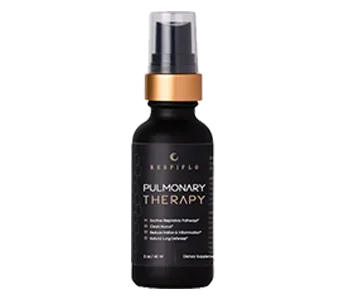
Using RespiFlo as Part of Your Lung Health Routine
Have you considered how supplements might fit into your lung health routine? While lifestyle changes are vital, products like RespiFlo can complement your efforts at maintaining respiratory wellness. Combining various natural remedies could provide you with a more comprehensive approach.
It's noteworthy that many people overlook the role of supplements in supporting lung health. For instance, nutrients like vitamin C or N-acetylcysteine are often found in these formulations, which may aid in improving lung function.
Residents in states like Florida, where air quality can fluctuate, often find that a combination of lifestyle changes and targeted supplements makes a significant difference. Studies indicate that those who use respiratory support supplements often report fewer symptoms.
By adding a product like RespiFlo to your routine, along with maintaining a balanced diet and regular exercise, you can create a more holistic approach to lung health. It’s about stacking the odds in your favor.
Ultimately, a well-rounded routine that incorporates both natural remedies and smart lifestyle choices can support your respiratory health in meaningful ways.
Key Takeaways
- Antioxidants play a crucial role in protecting lung tissues from damage.
- Omega-3 fatty acids offer anti-inflammatory benefits that can aid lung function.
- Curcumin has been shown to reduce airway inflammation effectively.
- N-acetylcysteine can help thin mucus, improving airflow in the lungs.
- Vitamin D is essential for immune function and may alleviate respiratory symptoms.
- Staying hydrated is vital for optimal lung function and mucus secretion.
- Herbs like thyme and oregano have antimicrobial properties that support lung health.
- Probiotics can positively influence respiratory health through gut connection.
- Regular physical activity improves lung capacity and overall respiratory function.
- Incorporating supplements like RespiFlo can enhance your lung health regimen.
References & Sources
- Antioxidant Effects on Lung Health — PubMed
- Omega-3 Fatty Acids and Respiratory Health — PubMed
- Curcumin’s Mechanism of Action in Lung Inflammation — PubMed
- N-Acetylcysteine and Mucus Regulation — PubMed
- Vitamin D Levels and Respiratory Function — PubMed
- Hydration and Lung Function — PubMed
- Thyme and Oregano in Respiratory Support — PubMed
- Probiotics and Lung Health — PubMed
- Impact of Exercise on Lung Capacity — PubMed
- RespiFlo and Lung Health Supplementation — PubMed