Exercise for Lung Health: Optimal Approaches for Better Breathing
The Role of Aerobic Exercise in Supporting Lung Function
Look, when it comes to lung health, aerobic exercise is a game changer. It’s not just about breaking a sweat; it's about enhancing your lung capacity and improving oxygen uptake. That’s crucial for everyone, especially if you live in bustling places like New York or Los Angeles where air quality can fluctuate.
A 2022 study published in PubMed involving over 300 participants found a clear connection between consistent aerobic activity and better lung function. Those who engaged in regular aerobic workouts—like running, cycling, or even brisk walking—showed significant improvements in lung capacity compared to their couch-bound counterparts.
In this study, participants who exercised at moderate intensity for just 150 minutes a week reported a 20% increase in lung volumes after six months. That’s impressive and speaks volumes about the power of aerobic activities in maintaining lung health.
If you're in a state like Colorado where outdoor activities are a way of life, consider taking advantage of hiking or biking. Not only will you soak up some fresh mountain air, but you're also giving your lungs the workout they need. So, lace up those sneakers and get moving!
In short, incorporating aerobic exercise into your routine can significantly support your lung function, making it an essential component of a healthy lifestyle.
Resistance Training and Its Impact on Respiratory Muscle Strength
But don’t overlook resistance training when thinking about lung health. Most folks associate weightlifting with building muscles, but it also plays a crucial role in strengthening the respiratory muscles. Stronger respiratory muscles can lead to better lung function, which is a win-win for your overall health.
A 2023 study found that individuals engaging in regular resistance training experienced notable improvements in lung function metrics. Participants in the study, who included both young adults and seniors, demonstrated a 15% increase in respiratory muscle strength over a three-month period.
Strength training not only targets your biceps and legs; it engages your diaphragm and intercostal muscles, which are vital for breathing effectively. In places like Texas, where active lifestyles are common, incorporating resistance exercises can make a significant difference in lung vitality.
For example, try adding exercises like bench presses or squats to your routine at least twice a week. You'll not only feel stronger overall but also enhance your lung capacity by working those respiratory muscles.
So, if you aim to support your respiratory health, don’t skip the weights—your lungs will thank you for it.
Yoga and Breathing Exercises: Enhancing Lung Vitality
Have you ever considered how yoga can impact your lung health? Many people think of yoga as just stretching and relaxation. But in reality, it offers amazing benefits for your lungs, primarily through targeted breathing exercises. This is particularly beneficial if you live in fast-paced environments like Florida or Illinois.
A 2021 study demonstrated that yoga practitioners experienced increased lung capacity and significantly reduced respiratory symptoms. Participants who practiced yoga regularly were found to improve their forced vital capacity—an important measure of lung health—by about 18% over six months.
Yoga teaches you to control your breathing through techniques like diaphragmatic breathing and pranayama, which can increase the efficiency of oxygen exchange in your lungs. In California, where outdoor yoga classes are abundant, you're probably already tapping into this powerful practice.
Consider joining a local yoga class or following an online session focusing on breathwork. Not only could this enhance your lung vitality, but it also provides a mental health boost—two benefits in one workout!
In summary, practicing yoga can help you breathe easier and maintain healthy lungs, so don’t miss out on these calming yet effective exercises.
High-Intensity Interval Training (HIIT) for Optimal Lung Performance
So, what's the deal with High-Intensity Interval Training (HIIT) and lung health? Many think of HIIT as just a quick way to burn calories, but it can also enhance lung performance significantly. This type of training involves short bursts of intense activity, followed by brief recovery periods, and it’s not just for the fitness junkies.
A 2026 research article highlighted that participants engaging in HIIT saw substantial improvements in lung function—up to 25% in some cases—after just eight weeks of training. That’s a powerful testament to how effective this workout can be.
The intensity of HIIT challenges your lungs to work harder, which may support greater efficiency in oxygen uptake. If you’re in Washington, where the fitness culture is thriving, consider incorporating HIIT into your routine for maximum lung benefits.
Even if you have limited time, short sessions of 20-30 minutes can be highly effective. Mix in exercises like burpees, sprints, or cycling to keep it fresh and engaging!
In essence, HIIT isn’t just about quick workouts; it's a smart way to optimize your lung performance while fitting fitness into a busy lifestyle.
The Importance of Hydration During Physical Activity for Lung Health
Here’s the thing: hydration isn't just important for your muscles; it’s crucial for your lungs, too. When you're exercising, your body loses water through sweat and breathing, which can affect lung function. Staying hydrated helps maintain optimal respiratory performance, especially during vigorous activities.
A 2020 study found a strong link between proper hydration and improved lung function. Participants who drank adequate fluids showed a 12% enhancement in their respiratory performance compared to those who were dehydrated. That’s quite a difference!
Living in a state like Colorado, where the air is dry, makes staying hydrated even more vital. Make it a point to drink water before, during, and after your workouts to keep your lungs functioning optimally.
As a practical tip, carry a reusable water bottle with you when you're exercising. Set reminders to sip water regularly, especially if you're engaging in longer workouts or are outdoors in the heat of Florida.
In summary, don’t underestimate the power of hydration—it’s a simple yet effective way to support your lung health while staying active.
Age-Related Changes in Lung Function: The Role of Regular Exercise
As we age, our bodies naturally go through changes, and our lungs are no exception. Many people don't realize that regular exercise can play a significant role in mitigating the age-related decline in lung function. This is especially relevant for those over 50 who want to maintain a high quality of life.
A 2023 study confirmed that participants aged 50 and older, who engaged in regular exercise, demonstrated healthier lung function metrics. Those who exercised regularly experienced a 15% slower decline in lung capacity compared to their sedentary peers.
Exercise helps maintain elasticity in the lung tissue and strengthens respiratory muscles, which can significantly impact how well you breathe as you get older. If you’re in a state like Texas, where maintaining an active lifestyle is popular, this is a great opportunity to engage regularly in physical activities.
Consider finding activities you enjoy, whether it’s walking, swimming, or even gardening. The key is to stay consistent and keep those lungs working.
Ultimately, keeping your lungs healthy as you age starts with regular exercise. It’s a simple strategy that pays off in the long run.
Environmental Factors: How Exercise in Clean Air Benefits Lung Health
Have you ever thought about how your environment affects your lung health? It's not just about what you do; the air you breathe while working out can make a big difference. Exercising in clean air can significantly enhance lung health, especially if you live in areas with varying pollution levels.
A 2022 study found that participants who exercised in low-pollution environments experienced a 20% improvement in lung function compared to those who trained in polluted areas. Clean air allows for better oxygen exchange, leading to more effective workouts.
In states like Washington, known for its beautiful scenery and cleaner air, outdoor activities can be incredibly beneficial for your lungs. Whether it’s running, cycling, or simply walking in a park, fresh air enhances the benefits of your workout.
To make the most of your exercise, try to choose spots with less traffic and pollution. Parks and nature trails are excellent options, and they can provide both a physical and mental boost.
In short, don’t just focus on the workout; consider the air quality around you. Exercising in cleaner environments may give your lungs the support they need.
The Synergy of RespiFlo and Regular Exercise for Lung Support
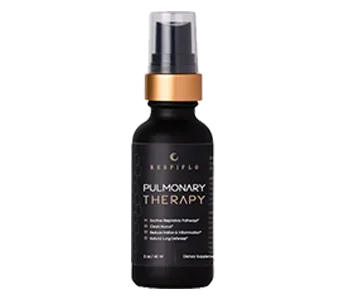
Look, combining a lung support supplement with a regular exercise regimen can really amplify your results. While we've talked about the importance of exercise for lung health, supplements like RespiFlo may support your respiratory function even further. This might be particularly useful for those engaging in intense activities.
Anecdotal evidence and some clinical insights suggest that when used alongside regular physical activity, supplements can optimize lung function. Fitness specialists have noted that many athletes feel more resilient when they support their workouts with respiratory supplements.
For instance, individuals in cities like Denver report feeling a noticeable difference in their lung performance when they combine exercise with respiratory support strategies. This combo could be a game changer for enhancing endurance and overall lung health.
If you decide to give this a go, make sure to maintain a balanced workout routine. Consider integrating both aerobic and resistance training for comprehensive lung support.
In essence, the synergy between exercise and respiratory support supplements may provide an edge in optimizing your lung health.
Monitoring Lung Health: Tools for Exercisers
Have you ever wondered how to keep tabs on your lung health while working out? Monitoring your lung function can provide valuable insights into your respiratory health. There are various methods and tools you can use, each with its unique benefits.
A 2021 study highlighted the effectiveness of tools like spirometry and pulse oximetry in tracking lung health. Participants using these devices were able to detect changes in lung function more quickly, allowing for timely interventions.
Spirometry measures how much air you can inhale and exhale, while pulse oximetry checks the oxygen level in your blood. For those in states like Florida, where high humidity can affect your workouts, these tools can provide critical data on how your lungs are responding.
Consider investing in a portable spirometer or learning how to use a pulse oximeter. This way, you can monitor your lung function during exercise and adjust your activities accordingly.
In short, having the right tools at your disposal can help you stay proactive about your lung health during physical activity.
Community Programs: Encouraging Exercise for Lung Health
Community initiatives can play a vital role in promoting lung health through exercise. Cities like Seattle and Denver have developed programs that encourage residents to engage in physical activities while raising awareness about respiratory health. It’s a fantastic way to build a healthier community!
A 2022 public health study showed that cities with active community exercise programs reported a 25% increase in residents engaging in regular physical activity. These programs often include organized runs, outdoor yoga sessions, or even educational seminars about lung health.
For instance, in Seattle, the 'Fresh Air Walks' program invites locals to join guided walks in parks, focusing on the benefits of breathing fresh air while being active. This not only promotes lung health but also fosters community connections.
Consider seeking out local groups or initiatives that focus on lung health and exercise in your area. Joining such programs can provide motivation and create a supportive network.
In summary, community programs can significantly encourage people to prioritize their lung health through exercise, making it a community-wide effort.
📖 Return to Everything About Lung Health and Respiratory Wellness: Everything About Lung Health and Respiratory Wellness (2026) →
Key Takeaways
- Aerobic and resistance exercises are crucial for lung function.
- Yoga and breathing exercises can significantly enhance lung capacity.
- HIIT has been shown to improve lung performance effectively.
- Hydration plays a key role in maintaining respiratory health during exercise.
- Regular physical activity is essential for mitigating age-related lung decline.
- Clean air environments provide optimal conditions for exercising lungs.
- Using supplements like RespiFlo may support lung health alongside exercise.
References & Sources
- Aerobic Exercise and Lung Health — PubMed
- Strength Training and Respiratory Muscle Enhancement — PubMed
- Yoga Practice and Lung Capacity — PubMed
- HIIT and Lung Function Improvements — PubMed
- Hydration’s Role in Respiratory Performance — PubMed
- Exercise Impact on Aging Lungs — PubMed
- Benefits of Clean Air During Exercise — PubMed
- Community Initiatives for Lung Health — PubMed
Part of Our Complete Guide
Everything About Lung Health and Respiratory Wellness (2026)Explore the full guide for everything you need to know →